Soil & concrete
Soil, brick and concrete skip bins
Heavy waste is about weight more than volume. The right bin here is a small one loaded properly, which is the opposite of every other bin we hire out.
Smaller bin, loaded properly
Everywhere else on this site the advice is to pick the bin that holds the job. Heavy waste is the exception. A cubic metre of soil or broken concrete weighs well over a tonne, so a big bin filled with it cannot legally be lifted onto the truck, let alone driven away.
So the bin you want is a 2m³ or a 3m³, loaded to its limit and no further. If there is more material than that, it is two loads rather than one bigger bin. That is not us upselling: it is the axle limit on the truck, and no operator can work around it.
Keep it separate
A few buckets of rubble through a general waste bin is the single most common cause of an unexpected charge in this trade. If you have both, you want two bins.
The jobs this bin is for
Driveways and paths
Broken concrete off a slab, path or driveway. Dense, awkward to load, and the fastest way to fill a weight allowance there is.
Excavation and levelling
Spoil off a pool dig, a retaining wall, a shed pad or a levelled yard. Dirt is heavier than people expect, especially after rain.
Brick, block and paver
A knocked-through wall, a lifted patio, a chimney or a garden edge. Same story as concrete, and often mixed with mortar and render.
Tile and bathroom strip-outs
Wall and floor tile, terracotta, screed and hardiboard. Small volume, serious weight, which catches out renovators every time.
Keeping the load clean
A single-material load has somewhere useful to go. Once timber, plastic and general rubbish are through it, the options narrow and the cost goes the other way.
- Keep it to one material where you can. Clean concrete and clean fill are the easiest loads to place.
- Shake the dirt off roots and rubble rather than throwing whole garden beds in.
- Keep timber, plastic, insulation and general rubbish out of it entirely.
- Load it along the base of the bin rather than piling it at one end.
- Tell us if it is wet, or if rain is forecast before pick-up.
- Say up front if there is any chance of asbestos in the material. That stops the job, not just the bin.
Sizes for heavy waste
The small end of the range, and deliberately so. Ask what the weight allowance is when you get your quote, because that is what decides how much you can actually put in.
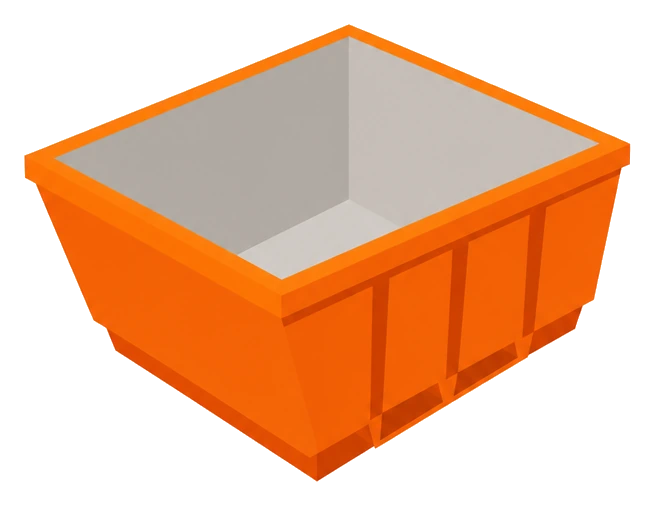 Small jobs
2m³ Skip Bin
= 8 wheelie bins
Garden tidy-ups, a single-room clean-out or a small bathroom strip.
- Garden clean-ups
- Bathroom renos
- Garage clear-outs
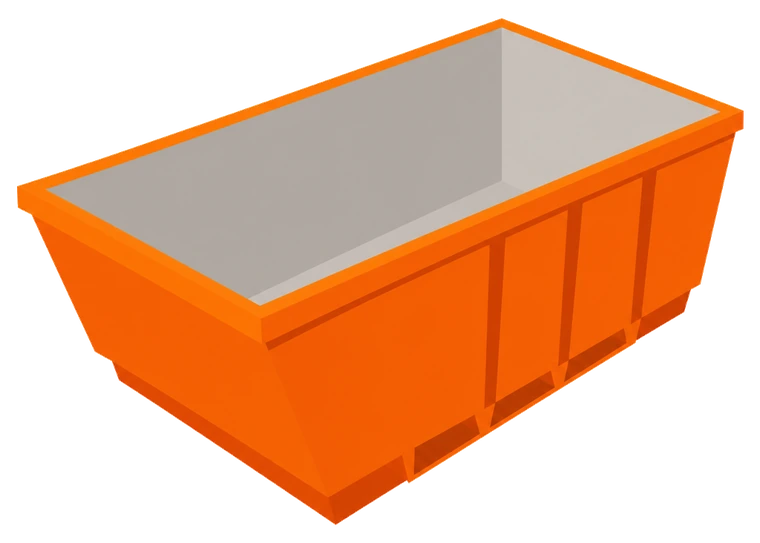 Heavy waste
3m³ Skip Bin
= 12 wheelie bins
The usual pick for soil and rubble, which hit a weight limit before they fill a bin.
- Soil and dirt
- Brick and rubble
- Small strip-outs
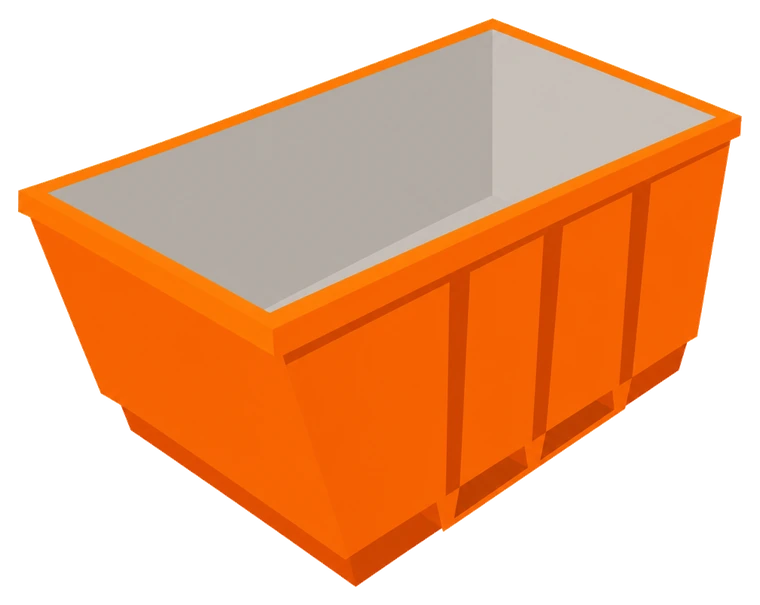 Most popular
4m³ Skip Bin
= 16 wheelie bins
The all-rounder. Moving house, a kitchen rip-out or a medium landscaping job.
- Moving house
- Kitchen rip-outs
- Landscaping
Tell us what the material is
Soil, brick, tile or concrete, and roughly how much of it. We will size it against the weight and tell you whether it is one bin or two.